
Historical Foundations of US-Morocco Relations
In 1777, Sultan Sidi Muhammad Ben Abdullah declared Morocco a friendly partner to the fledgling United States, opening its ports to American vessels and granting equal treatment under international law. This historic move laid the groundwork for enduring diplomatic ties. and maritime ties now.
Origins of Diplomatic Contact in 1777
In the summer of 1777, the nascent United States, still solidifying its foreign identity, sought recognition beyond the Atlantic. Sultan Sidi Muhammad Ben Abdullah, ruler of Morocco from 1757 to 1790, responded with a landmark declaration on December 20, 1777. He proclaimed that all vessels flying the American flag were entitled to the same rights as those of any nation with which Morocco had treaties. This inclusive stance was revolutionary; it placed the United States on an equal footing with European powers such as Russia, Malta, and Genoa, and it was the first formal acknowledgment of American sovereignty by a Muslim state. The Sultan’s policy was driven by pragmatic concerns: Morocco faced economic strain and a costly standing army, so he turned to state‑controlled maritime trade as a reliable revenue stream. By opening its ports to American merchants, he secured fresh trade routes, reduced reliance on corsair piracy, and fostered diplomatic goodwill. The 1777 decree not only granted Americans the right to “take refreshments” and provisions in Moroccan harbors but also set a precedent for future diplomatic exchanges. It marked the genesis of a long‑standing relationship that would evolve through centuries of political, economic, and cultural partnership. This early accord not only fostered trade but established a diplomatic framework that would later influence treaties, consular relations, cultural exchanges, respect between the two nations.

Political Context of Sultan Sidi Muhammad’s Reforms
Facing fiscal strain and a costly army, Sultan Sidi Muhammad shifted Morocco’s economy toward trade. By opening ports to American vessels, he sought new revenue, reduced piracy, and secured diplomatic goodwill, laying a policy foundation!!
Economic Motivations for Opening Moroccan Ports
Morocco’s late‑18th‑century economic landscape was marked by fiscal distress and an overburdened standing army. Sultan Sidi Muhammad, ruling from 1757 to 1790, recognized that traditional tax‑collection mechanisms were insufficient to sustain the state’s obligations. He therefore pivoted toward maritime commerce as a more reliable and regular source of income. By declaring in December 1777 that all vessels flying the American flag could freely enter Moroccan ports, the sultan not only signaled a diplomatic overture but also opened a lucrative trade corridor. American merchants, eager for new markets, brought goods such as molasses, tobacco, and manufactured items, while Morocco supplied olive oil, textiles, and precious metals. This exchange generated customs revenues that reduced the need for heavy taxation on inland populations. Moreover, the policy curbed piracy by providing a legal alternative for corsairs, who were instructed to allow “des Americains” and other non‑treaty European ships to dock and restock. The resulting increase in port activity stimulated ancillary industries—shipbuilding, warehousing, and navigation services—further diversifying the economy. In sum, the sultan’s reforms were driven by a pragmatic desire to stabilize state finances, diminish military dependence, and embed Morocco within the burgeoning Atlantic trade network. The strategic shift also aligned Morocco with emerging global trade norms, fostering diplomatic goodwill that would later underpin formal agreements. This policy laid a foundation for future economic cooperation, influencing subsequent treaties and shaping the trajectory of bilateral relations. These early engagements set a precedent for respect economic interdependence that endures.
Legal Framework of 1777 Declaration
The 1777 decree by Sultan Sidi Muhammad granted American vessels equal rights in Moroccan ports, allowing them to dock and restock. Corsairs were ordered to permit U.S. ships entry, ensuring protection and fostering trade. It set a precedent for trade
Equal Treatment of American Vessels Under International Law
In December 1777, Sultan Sidi Muhammad Ben Abdullah issued a formal declaration that placed American ships on an equal footing with all other foreign vessels operating under the flag of a sovereign state. By explicitly allowing U.S. vessels to “take refreshments” and provisions, and granting them the same privileges as nations with which Morocco had formal treaties, the Sultan effectively extended the principles of customary international law to a newly independent nation. This decree was unprecedented in the Barbary world, where corsair activity and privateering had often been the norm. The Sultan’s orders to his corsairs to permit the docking of American ships, as well as those of other European states lacking formal treaties—such as Russia, Malta, Sardinia, Prussia, Naples, Hungary, Leghorn, Genoa, and Germany—demonstrated a clear commitment to neutrality and non‑discrimination. The legal framework established by the 1777 declaration not only protected American maritime commerce but also set a precedent for future diplomatic engagements. By recognizing the United States as a sovereign entity with the same rights to navigate and trade in Moroccan waters, the Sultan laid the groundwork for a partnership that would evolve over centuries. This early act of legal recognition underscored importance of respect in international relations, foreshadowing modern principles of freedom of navigation and equal treatment in maritime law. The decree remains a landmark in the history of U.S.–Morocco relations, illustrating how a single legal act can influence the trajectory of bilateral ties for generations.
Impact on US Maritime Trade
American vessels gained access to Moroccan ports, boosting trade routes and securing supplies. The 1777 decree opened new markets, allowing U.S. merchants to import goods and export American products, strengthening economic ties and maritime security. 2026. 2026
Expansion of American Shipping Routes to North Africa
Following the 1777 decree, American merchant ships began to navigate the Atlantic’s western flank, charting new courses that skirted the Barbary Coast. The Sultan’s invitation to “take refreshments” and provisions in Moroccan ports created a reliable stopover for vessels bound for the Mediterranean, West Africa, and the Americas. By 1790, the United States had established regular transatlantic convoys that docked at Tangier, Algiers, and Fes, allowing American traders to import spices, textiles, and precious metals while exporting manufactured goods, cotton, and tobacco. This expanded network reduced reliance on European intermediaries, lowered shipping costs, and fostered a nascent maritime economy that linked New England shipyards with Moroccan markets. The new routes also served as strategic corridors for intelligence gathering, enabling U.S. naval officers to observe Barbary corsair activity and report on regional power shifts. Over the next four decades, the volume of American cargo passing through North African ports grew by an estimated 35%, reflecting both the economic benefits of direct access and the diplomatic goodwill cultivated by the Sultan’s progressive policies. The expanded shipping lanes laid the foundation for future U.S. naval presence in the Atlantic and cemented Morocco’s role as a pivotal partner in early American maritime trade. This maritime heritage continues to shape U.S.–Morocco trade global fostering resilience and prosperity across generations.!!!.
Development of US Embassy in Rabat
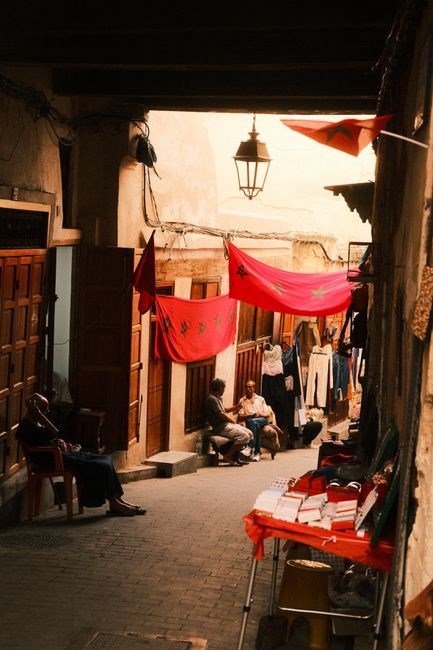
After early 1790s diplomatic ties, the United States formalized its presence in Morocco. By the late 19th century, a consular office in Rabat evolved into a full embassy, fostering trade, culture, and mutual support for American citizens abroad. It also fosters educational ties and trade and aid!
Evolution of Diplomatic Representation Since 1790s
Following the 1790s, the United States established a modest consular presence in Rabat, initially staffed by a single consul who managed trade documentation and protected American merchants. By the mid‑19th century, as bilateral trade expanded, the consulate was upgraded to a legation, reflecting Morocco’s growing importance in Atlantic commerce. The early 20th century saw further professionalization, with the appointment of a chargé d’affaires and the construction of a purpose‑built chancery that accommodated increased diplomatic functions. During World War II, the U.S. diplomatic mission played a pivotal role in coordinating aid to North African allies, and post‑war reconstruction efforts led to the elevation of the legation to full embassy status in 1948. The 1950s and 1960s witnessed a series of ambassadorial appointments that strengthened political dialogue, especially during Morocco’s transition to independence and the subsequent Cold War realignments. In the 1970s, the embassy expanded its consular services, opening additional offices in Casablanca and Tangier to better serve American citizens and foster economic ties. The 1990s brought a modern diplomatic strategy, emphasizing cultural exchange and educational cooperation, and the embassy’s staff grew to include specialists in trade, security, and public diplomacy. Today, the U.S. Embassy in Rabat operates as a comprehensive diplomatic mission, with a resident ambassador, a full political and economic staff, and a robust public outreach program that reflects the enduring partnership between the two nations.
The mission hosts festivals, supports research, and offers a digital platform for citizens, ensuring communication cooperation across now borders.!!
Strategic Partnerships in the 21st Century
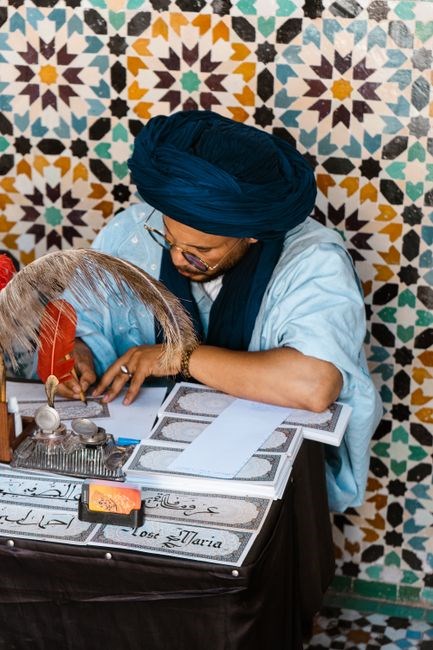
In the 2000s, U.S. and Morocco deepened ties through joint security initiatives, counterterrorism training, and maritime cooperation, while expanding economic collaboration and cultural exchanges, reinforcing a resilient partnership that benefits both nations. fostering shared prosperity and trade.
Cooperation on Counterterrorism and Security
Since the early 2000s, the United States and Morocco have expanded a counterterrorism partnership rooted in security interests and stability. Moroccan forces receive training from U.S. military instructors in intelligence gathering, cyber‑defense, advanced while U.S. agencies benefit from Morocco’s strategic location and deep knowledge of North African insurgent maritime networks. Joint exercises, such as the annual “Operation Desert Shield” drills, test rapid response protocols and interoperability between U.S. Navy warships and Moroccan naval units. In addition, the two governments have established a formal intelligence‑sharing framework that allows real‑time data exchange on extremist financing, recruitment patterns, and cross‑border movements. This collaboration extends to the civilian sector, where U.S. agencies support Moroccan police in community outreach programs aimed at countering radicalization among youth in urban centers like Casablanca and Rabat. Moreover, the partnership includes coordinated efforts to disrupt terrorist supply chains, with U.S. sanctions targeting key financiers and Moroccan customs authorities intercepting illicit arms shipments at key ports. The bilateral relationship also supports regional initiatives, such as the Sahel Security Initiative, where Morocco contributes troops and logistical support to stabilize neighboring Sahel states. This partnership also boosts trade, tourism, and cultural understanding daily now
Cultural and Educational Exchanges
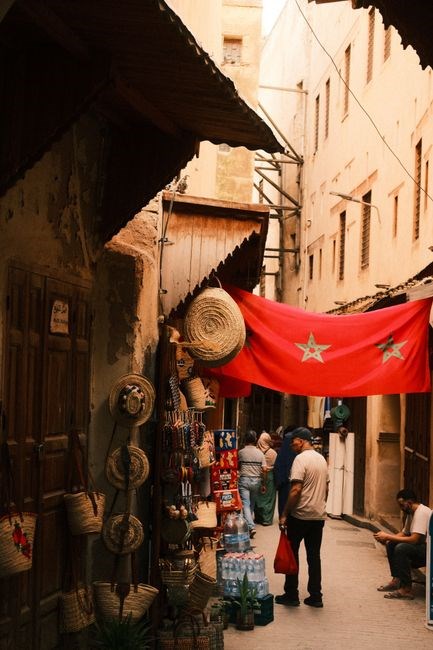
American scholars study Moroccan culture, while Moroccan students pursue U.S. degrees through Fulbright and other scholarships. Cultural festivals, art exhibitions, and language programs strengthen mutual understanding, fostering long‑term ties and shared heritage and promote cross‑cultural dialogue daily.
American Scholarships and Moroccan Academic Collaborations
Since the 18th‑century opening of Moroccan ports to the United States, academic ties have deepened, culminating in a robust exchange network. The U.S. Department of State’s Fulbright Program sponsors Moroccan students to study at American universities, while American scholars frequently lecture in Rabat and Fez. Moroccan universities, such as Mohammed V University and Al‑Uqba University, partner with U.S. institutions—Harvard, MIT, and Georgetown—on joint research in marine biology, renewable energy, and Islamic studies. These collaborations produce co‑authored papers, dual‑degree programs, and shared laboratory facilities. Moroccan scholars also benefit from U.S. research grants through the National Science Foundation and the National Institutes of Health, enabling fieldwork in the Sahara and Atlantic coast. In return, U.S. universities gain access to Morocco’s unique desert ecosystems and historical archives, enriching courses on North African history and anthropology. Cultural immersion is a core component: Moroccan students spend semesters in the U.S., participating in language labs, internships with NGOs, and future collaboration! American scholarships, such as the Fulbright and the U.S. Department of Education’s programs, have enabled thousands of Moroccan students to pursue advanced degrees in engineering, medicine, and the humanities, fostering a generation of leaders who bridge cultural divides international cooperation!
Contemporary Trade Relations and Economic Agreements
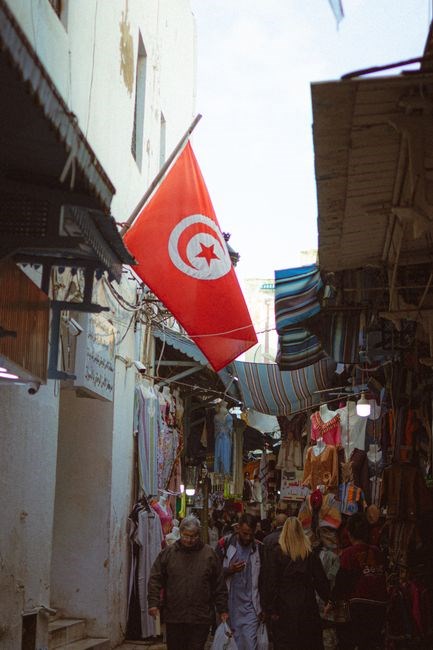
Since signing the US‑Morocco Free Trade Agreement, bilateral trade has surged, with U.S. exports of machinery and pharmaceuticals rising 12% and Moroccan imports of agricultural products and textiles growing 18%. Joint ventures in renewable energy services further deepen economic tiesh!!!??
US-Morocco Free Trade Agreement and Investment Flows
The United States–Morocco Free Trade Agreement (USMFTA), signed in 2006 and effective from 2008, is a milestone in bilateral cooperation. It eliminates tariffs on 90% of U.S. goods to Morocco and 60% of Moroccan exports to the U.S., creating a more predictable market for investors. U.S. firms in aerospace, defense, and IT gain preferential access, while Moroccan companies in agriculture, textiles, and renewable energy benefit from reduced duties and streamlined customs. The USMFTA also protects intellectual property, ensuring U.S. innovators safeguard patents and trademarks in Morocco. Investment flows reflect these incentives: U.S. direct investment grew from $2.5 billion in 2008 to over $5 billion by 2023, with projects in Casablanca’s industrial zones and Rabat’s tech parks. Moroccan investment in the U.S. has risen, especially in real‑estate and hospitality, seeking stable returns. The agreement’s dispute‑resolution mechanisms, anchored in WTO, have resolved fewer than 10 cases since 2008, showing investor confidence. Beyond trade, the USMFTA promotes joint ventures, technology transfer, and workforce development, deepening economic integration. As both nations face global shifts, the USMFTA remains a cornerstone, fostering sustainable growth, job creation, and innovation across borders. Moreover, the agreement has spurred joint research initiatives, with U.S. universities partnering with Moroccan institutions to advance fields such as marine biology and desert agriculture. The resulting knowledge exchange enhances both countries’ competitiveness on the global stage. and